As the global tourism landscape evolves, rural regions like Offaly are finding themselves at the forefront of a quiet revolution: bog tourism. One where the busy, flashy attractions and overcrowded cities are losing their appeal, as more just want to escape to nature.
At the heart of Offaly’s potential tourism opportunity lies one of our most underutilised natural assets – the bog.
For generations, bogs were places of hard labour and quiet solitude. They heated our homes, shaped our culture, and characterised our landscape. But today, these ancient wetlands are becoming symbols of renewal. With the right investment, careful planning, imagination, and community support, bog tourism could emerge as one of the most exciting pillars of economic and cultural development in the Midlands.
Article by Mary Hensey – EU JTF Tourism Activator, Economic Development, Offaly County Council

Offaly’s boglands are ecological treasures
Across Europe and beyond, tourism is undergoing a dramatic shift. Travellers are no longer seeking just entertainment; they are seeking meaning, authenticity, and connection. According to global tourism trends, modern visitors, particularly younger audiences, want immersive experiences that connect them to nature, heritage, and community. They are motivated by health and wellness, eco-consciousness, and the pursuit of active adventures in natural settings. They want to spend time in a location, getting to know the locals and understanding the culture and heritage of the area.

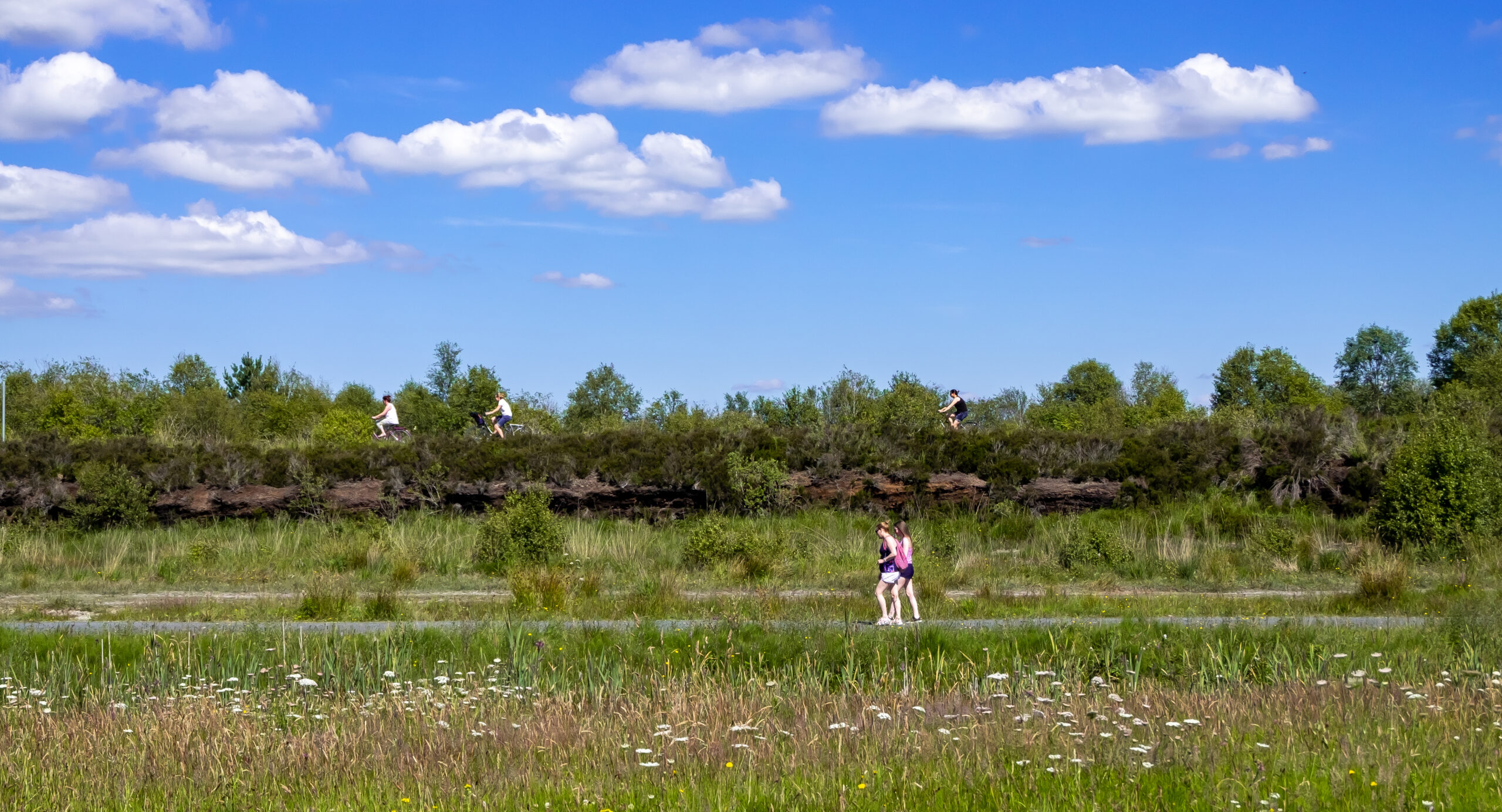
They are places where people can walk, cycle, forage, photograph wildlife, and reconnect with a slower pace of life.
Offaly, as one of Europe’s leading regenerative tourism destinations.
Bogs offer all of this and more. From the raised bogs of Clara to the expansive peatlands of Lough Boora, Offaly’s boglands are ecological treasures that provide a unique window into Ireland’s natural and cultural heritage. They’re tranquil and rich with biodiversity. They are places where people can walk, cycle, forage, photograph wildlife, and reconnect with a slower pace of life. Crucially, they align perfectly with Fáilte Ireland’s Hidden Heartlands strategy, which envisions the Midlands as a leading regenerative tourism destination by 2032. With the growing demand for ‘slow tourism’ and Tourism Ireland’s ‘Ireland Unrushed’ campaign, Offaly and the Midlands have everything needed to become a sought-after tourist destination.
There is globally a greater appreciation of the importance of regenerative tourism, the concept of which goes beyond sustainability. It’s about creating tourism experiences that leave communities and nature better off. This principle is woven throughout the Hidden Heartlands strategy, which calls for leveraging our natural and cultural assets, like bogs, in a way that benefits local people and protects our environment.
A strategic objective of the Hidden Heartlands strategy aims to enhance the range and quality of visitor experiences, with a focus on ecotourism. Bogs, already protected and partially rehabilitated thanks to Bord na Móna’s land use shift, offer the perfect landscape to support this goal. Another Hidden Heartland strategic objective sets the bar even higher: to establish our region as one of Europe’s leading regenerative tourism destinations. This vision of tourism creating net positive outcomes for nature and community is no longer just aspirational. It’s already happening, with Offaly playing a leading role.
Bogs as multi-dimensional tourism hubs
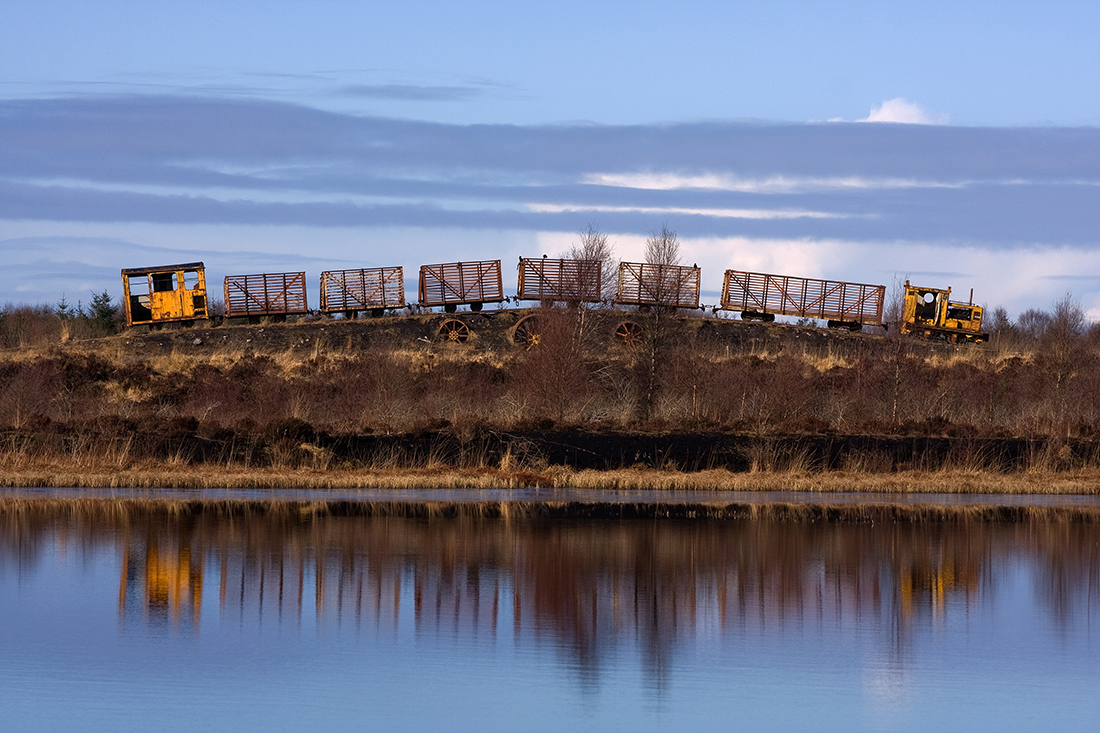
Bogs as multi-dimensional tourism hubs offer far more opportunities than just walking trails, which are certainly very popular. The potential of bog-based experiences is vast, from educational tours to bird watching to destinations for artists and photographers, while also appealing to the outdoor adventurist. Offaly’s bogs are just bursting with opportunities. We need to ensure there is harmony between the protection of the natural environment and the development of tourism.
Bord na Móna is actively working on a trails strategy to open more lands to the public, supported by the EU Just Transition Fund. This connectivity can help create a vast green corridor, linking towns, villages, and heritage sites in an eco-friendly way.
Bogs are serene places that lend themselves to the growing demand for health and wellness experiences. Ideal locations for yoga retreats, forest bathing, mindfulness walks, and wellness escapes, under dark skies. These align with global trends that favour health-conscious, slow travel.
There is also untapped opportunity for food, culture and creative tourism tied to the bog. Local producers could create wild berry jams, honey from bogland bees, or heritage lamb from sheep grazed near peatlands, or pieces of art and crafts inspired by the bogs.
Arts and Bogs
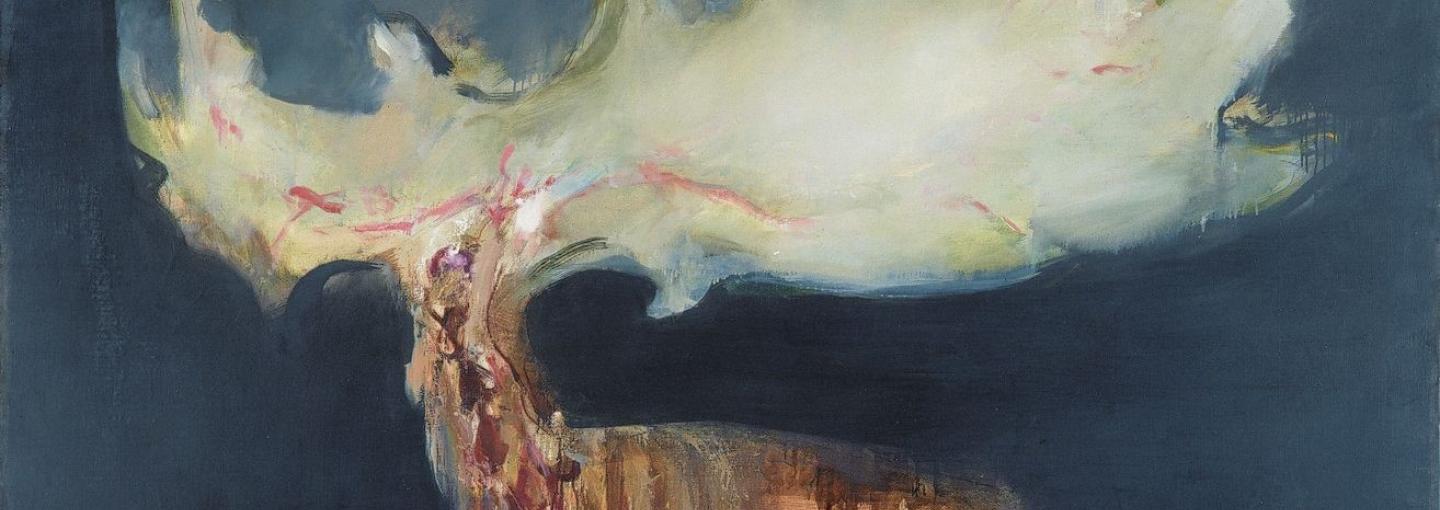
Arts and Education Bogs have inspired generations of Irish artists and poets. There is space here for creative residencies, photography workshops, and nature education programmes. Already, Lough Boora Sculpture Park shows how art and bogs can coexist beautifully. Throughout the summer, of 2025, “a major exhibition titled “BogSkin“, which examines the relationship of Irish art to the boglands over the past 50 years”, was hosted in Esker Arts, Tullamore. They also organised a unique plein air painting workshop weekend based in “the extraordinary and distinct environment of Lough Boora Sculpture Park”.
The EU Just Transition Fund
The Hidden Heartlands strategy calls for developing eco-accommodation such as glamping pods, motorhome stops, and eco-friendly lodges. The boglands provide a spectacular natural setting for such developments. With the funding secured through the EU Just Transition Tourism Fund, there are some unique accommodation offerings being developed throughout the Midlands, so watch this space!
With the winding down of peat harvesting, many Midlands communities have faced uncertain futures. The EU Just Transition Fund is providing funding and, in turn, new opportunities for tourism, biodiversity, and green enterprise projects that can benefit local communities. In Offaly, quite a few businesses and community organisations have received support to build regenerative tourism offerings. These include visitor attractions, tourist accommodation and activities along the canals, rivers and bogs, all of which will make bog tourism more accessible and appealing while ensuring they are not harming the bog’s fragile ecosystem.
Alignment with Local and National Plans Offaly County Council is a strong supporter of bog tourism. Its Local Economic and Community Plan (LECP) and Tourism Strategy identify our natural environment as a cornerstone of rural development. The Council’s participation in the EU Just Transition programme and support for projects like the Tullamore to Lough Boora cycleway show real commitment to unlocking our natural assets. Further, initiatives like Ireland’s Hidden Heartlands, the Shannon Tourism Masterplan, and the upcoming National Trails Strategy are all pushing towards a more sustainable, place-based tourism model where Offaly’s bogs take centre stage.
Bog tourism isn’t just good for visitors; it’s good for locals too.
It can bring economic benefits to rural businesses and communities:
• Accommodation providers can diversify their offering with wellness weekends, walking holiday packages, and nature-themed stays.
• Cafés and restaurants can offer “taste of the bog” menus with wild and local ingredients.
• Activity providers can offer cycling trips, nature walks, storytelling nights, foraging tours, and more.
• Artists and craftspeople can sell peat-inspired art, poetry, and products.
The Vision is already there
When properly planned and executed, tourism can help preserve our environment and revitalise our towns and villages. Offaly has the potential to become a top European destination for regenerative tourism.
The bog trails will attract walkers and cyclists staying in eco-lodges, eating locally sourced food, and leaving inspired, knowing their trip helped a community and a landscape thrive. This vision isn’t far-fetched. It’s already beginning. With smart planning, community involvement, and ongoing support from Fáilte Ireland, Offaly County Council, Bord na Móna, and the Just Transition Fund, bog tourism could become one of the most compelling and rewarding aspects of Ireland’s tourism future.
“Bog Tourism in Offaly: From Extraction to Experience” is published in the Tullamore Lions Club Annual 2026, now available for sale in support of local charities